

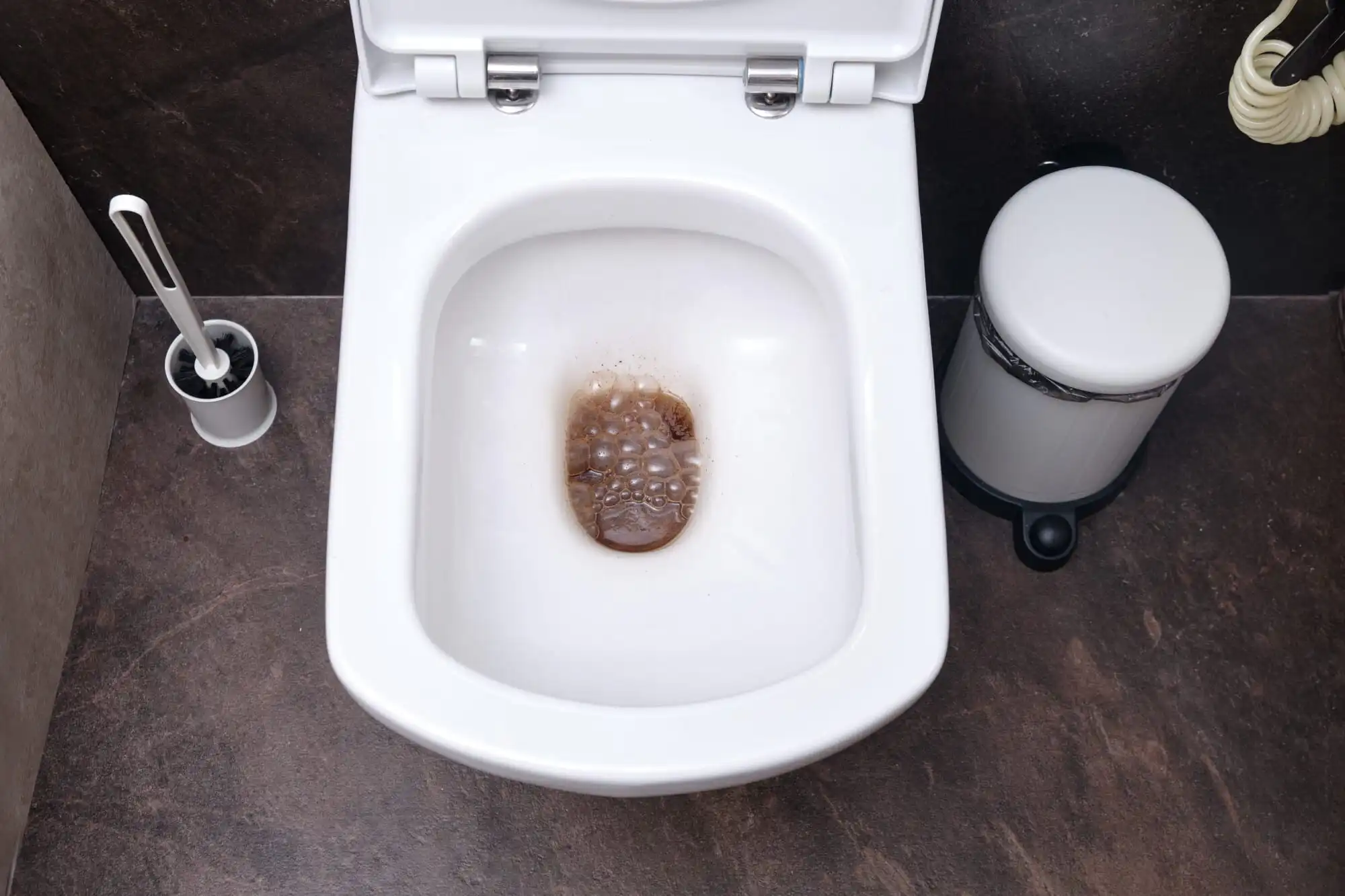
The whisper-quiet rush of water you hear at 2 AM is your toilet telling you it has a problem. A running toilet wastes hundreds of gallons of water a day and pushes your bill up dollar by dollar until somebody notices. The good news: nine out of ten toilet runs are fixable with $15 in parts and 20 minutes of work.
Here is the diagnostic sequence we walk every San Diego homeowner through before sending a plumber out for a $200 service call.
What “running” actually means
A toilet that runs is one where water is leaving the tank when nobody flushed it. The fill valve keeps adding water to replace what is leaving. You hear that as a faint hiss, a periodic gurgle, or in bad cases a constant rush. The water is going either down the overflow tube (into the bowl) or past the flapper (also into the bowl). Either way, fresh water from your main is replacing the water leaking through, and your bill climbs.
The EPA’s WaterSense program estimates that the average household with a running toilet wastes 200 gallons a day. That is 6,000 gallons a month. In San Diego County water rates, that adds $40-80 a month to a typical bill — and the leak gets worse over time, not better.
The food-coloring test
Take the tank lid off. Drop ten drops of food coloring into the tank. Wait twenty minutes without flushing. Check the bowl. If the bowl water has turned colored, the flapper is leaking. If the bowl water is clear and the level in the tank has dropped past the overflow tube, the fill valve is set too high or the float is sticking.
Fixing a leaking flapper
Flappers are rubber. Rubber deteriorates from chlorine in municipal water and from minerals in San Diego’s hard water. A 4-year-old flapper looks fine but does not seal under fingernail pressure. Replace it.
Shut off the water at the toilet’s angle stop. Flush to empty the tank. Disconnect the chain, unhook the flapper from the overflow tube ears, install a matching replacement, set the chain length so there is about a half inch of slack when the flapper is closed, and turn the water back on. Test. Most flappers are universal but some newer dual-flush toilets need brand-specific parts.
Fixing a fill valve that runs constantly
If the tank water level is rising above the top of the overflow tube and pouring into the bowl, the fill valve is not shutting off. Sometimes that is a stuck float — bend the float arm slightly downward on older ball-cock valves, or slide the float clip down on newer column-style valves until the water shuts off about an inch below the overflow tube top.
If adjusting the float does not stop it, the valve diaphragm is worn out. A complete fill valve replacement runs $15-25 in parts and takes about 15 minutes. The job is mostly about loosening the lock nut under the tank and replacing the whole assembly.
When the run is intermittent (ghost flushing)
If the toilet runs for a few seconds every 10-30 minutes with no flush, water is leaking slowly past the flapper. The tank level drops below the float trigger, the fill valve kicks on briefly, the tank refills, the cycle repeats. This is almost always a flapper or flush-valve seat problem.
Check the rubber seat that the flapper sits against — the lip around the drain opening at the bottom of the tank. Mineral deposits build up here in San Diego’s hard water and create a rough surface the flapper cannot seal against. Light sanding with fine sandpaper or a flush-valve repair kit usually fixes it.
When DIY repair is not enough
If you have replaced the flapper and the fill valve and the toilet still runs, the flush valve itself (the larger assembly the flapper sits on) may have cracked or the tank-to-bowl gasket may be leaking. At that point you are looking at a toilet rebuild or a replacement. Modern 1.28 GPF toilets are dramatically more water-efficient than anything from before 2000, and the EPA WaterSense rebates available in San Diego County frequently cover a meaningful portion of the cost.
Damage from long-running leaks
A running toilet that has been ignored often leads to other problems. Constant overflow drip past the rim can stain or warp baseboards. Wax-ring failures associated with old toilets create slow seepage under the floor that ruins tile mortar beds. Carpet near a running toilet absorbs constant humidity and develops mildew odor. For related needs, we recommend professional carpet cleaning and restoration services.
Preventing the next run
Replace flappers every 3-5 years as preventive maintenance. Check the chain length whenever you replace the flapper. Test the fill valve adjustment once a year. Shut off the angle stop and replace the supply line if it is older than 10 years (braided stainless lines last longer than vinyl). And listen — a toilet you can hear running is one you can fix before it runs for a month.
Your San Diego Toilet Repair Specialists
At Drain Masters Plumbing, we handle toilet repair and replacement across San Diego County — Chula Vista, La Mesa, El Cajon, Santee, Spring Valley, Lemon Grove, Lakeside, La Jolla, Del Mar, Carlsbad, Oceanside, Poway, Rancho Bernardo, and surrounding communities. If you have tried the flapper-and-fill-valve sequence and the toilet still runs, contact us and we will diagnose and fix it on the first visit. Our plumbing services cover the full San Diego region 24/7.