

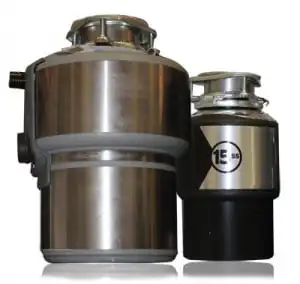
Your garbage disposal is one of the hardest-working appliances in your kitchen, quietly grinding food waste and keeping drains clear. But when it jams, hums, leaks, or refuses to turn on, the entire kitchen can come to a halt. What most homeowners don’t realize is that garbage disposals fail long before the first obvious sign appears. Internal components wear down, motors weaken, blades dull, and drain lines fill with food sludge over time—eventually leading to sudden breakdowns that seem to come out of nowhere.
According to Good Housekeeping, many common kitchen habits—like putting grease, pasta, or fibrous foods down the disposal—are responsible for clogs and motor strain. The Spruce notes that disposal motors often burn out when food jams the impellers. Meanwhile, Family Handyman highlights that leaks from the bottom of a disposal usually indicate internal seal failure, requiring full replacement.
Why Garbage Disposals Start to Fail
Garbage disposals are powerful, but they aren’t designed to handle everything homeowners put into them. Common causes of disposal failure include:
- Worn or dull grinding components
- Overheating from frequent jams
- Grease solidifying inside the mechanism
- Pasta, rice, or starchy foods expanding in the drain line
- Foreign objects damaging the blades
- Loose or deteriorating seals causing leaks
- Old wiring or faulty electrical connections
Over time, these issues make your disposal less effective until the motor can no longer function properly.
Signs Your Garbage Disposal Needs Repair
If you notice any of the following symptoms, your disposal may be close to failure:
- A humming noise with no grinding action
- Water leaking from the base or connections
- Bad odors that return even after cleaning
- Slow drainage or frequent clogs
- Loud metal-on-metal grinding sounds
- The unit shuts off unexpectedly
These issues indicate mechanical wear, electrical failure, or severe buildup inside the disposal and drain line.
Why DIY Garbage Disposal Fixes Often Make the Problem Worse
You can find countless DIY videos online showing how to unjam or reset a disposal, but these fixes only address the immediate symptom—not the underlying issue. DIY attempts often:
- Push debris deeper into the drain line
- Damage internal gears or impellers
- Fail to fix leaks caused by seal failure
- Ignore wiring or breaker problems
- Create dangerous electrical hazards
Chemical cleaners are especially dangerous—they corrode metal, melt plastic components, and can cause toxic reactions inside the disposal.
How Professional Garbage Disposal Repair Works
A licensed plumber begins by evaluating both the disposal unit and the connected drain system. Professional repairs may include:
- Clearing internal jams safely
- Tightening or replacing loose seals
- Fixing electrical issues or reset failures
- Repairing or replacing damaged impellers
- Removing clogs from the adjoining drain lines
- Checking for leaks and correcting alignment issues
If the disposal is old or severely damaged, replacing the unit is often more cost-effective than repeated repairs.
When Replacement Is the Better Option
A garbage disposal should be replaced when:
- It leaks from the bottom (failed internal seals)
- The motor repeatedly overheats
- The blades no longer grind effectively
- The unit is more than 10–12 years old
- The disposal makes loud rattling or grinding noises
- Repairs cost nearly as much as replacement
Modern garbage disposals are more powerful, quieter, and more efficient than older units—making replacement a smart long-term investment.
How to Prevent Garbage Disposal Problems
You can extend the life of your disposal by developing a few simple habits:
- Run cold water before, during, and after use
- Avoid putting grease, pasta, eggshells, or fibrous foods into the disposal
- Cut large scraps into smaller pieces
- Clean the disposal regularly with ice and citrus
- Use strainers to keep non-food items out
These small steps help prevent jams, reduce strain on the motor, and keep your drain lines clear.
Your San Diego Experts for Garbage Disposal Repair
When jams, leaks, or grinding issues disrupt your kitchen, Drain Masters provides reliable Garbage Disposal Repair services to restore smooth, efficient performance. For fast scheduling, expert troubleshooting, and long-lasting repairs, reach out anytime through our Contact Us page for prompt assistance.