

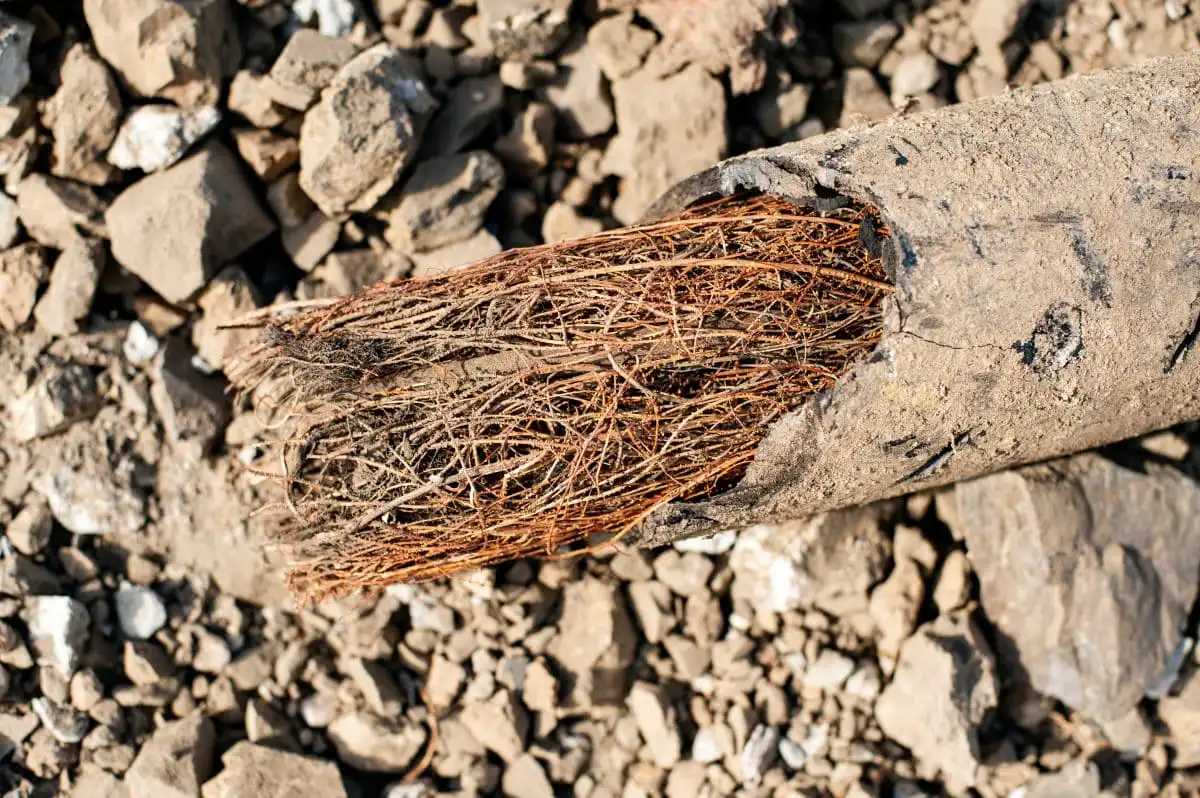
If you walk into your San Diego home and catch that unmistakable sour, eggy, sewer-line smell, your first instinct is probably to grab the bleach. That rarely works because sewer odor inside a house is almost never a cleaning problem. It is a venting, drying, or seal problem, and the smell will keep coming back until you find the actual source.
The good news is that most drain odor calls we run trace back to four or five recurring causes. Once you know what to look for, you can usually narrow it down in 15 minutes and decide whether it is a DIY fix or time to call a plumber.
What sewer gas actually is — and why it matters
The smell coming out of a drain is not just unpleasant. Sewer gas is a mix of hydrogen sulfide, methane, ammonia, and trace volatile organics generated by decomposition inside the waste line. The CDC tracks hydrogen sulfide as a recognized indoor air hazard at higher concentrations. In a typical home you are unlikely to hit dangerous levels, but persistent exposure can cause headaches, fatigue, eye irritation, and asthma flare-ups. That is reason enough to chase the source rather than mask it.
The dried-out P-trap (the #1 cause we see)
Every drain in your house — sink, shower, floor drain, washing machine standpipe — has a U-shaped section of pipe called a P-trap. That bend holds a small reservoir of water. The water is the seal that blocks sewer gas from rising up through the drain.
In San Diego we run dry most of the year, and traps in guest bathrooms, laundry rooms, garage utility sinks, and basement floor drains evaporate fast if nobody runs water through them for two or three weeks. The fix is one of the easiest in plumbing: pour a quart of water down the drain, wait an hour, and see if the smell stops. If it does, the trap was dry. Pour a tablespoon of mineral oil on top to slow future evaporation in drains you rarely use.
Biofilm buildup in the drain itself
The slimy black gunk that coats the inside of a bathroom sink drain is biofilm — a colony of bacteria, soap residue, toothpaste, hair, and skin cells. It produces volatile sulfur compounds as it breaks down, and the smell rises every time the drain is used.
Pull the stopper, clean it physically with a brush, then run a cup of baking soda followed by a cup of vinegar down the drain. Wait 15 minutes and flush with hot tap water. Avoid pouring straight bleach down a drain — it kills the biofilm temporarily but does not remove the substrate, so the colony rebuilds within a week. For carpets or rugs nearby that have absorbed the smell, professional deep-cleaning treatment for area rugs can lift odor that home methods cannot.
A failing wax ring at the toilet base
If the smell concentrates around a specific toilet — especially after the toilet is flushed — the wax seal between the toilet flange and the porcelain has likely cracked or shifted. You may also notice a slight rocking when you sit on the bowl. A failed wax ring leaks sewer gas around the base and, eventually, water onto the subfloor.
This is a $15 part and an hour of labor for a competent DIYer, but if the flange itself has corroded or sits below the finished floor, you need a plumber. We see flange repairs constantly in San Diego homes built before 1985.
Blocked or improperly cut roof vent
Your drain system has vent pipes that run up through the roof. They equalize pressure so traps stay sealed when water rushes through nearby drains. If a vent gets blocked — by a bird nest, leaves, a tennis ball that an HOA kid lobbed up there, or in older homes a vent that was capped during a remodel — pressure changes inside the drain system suck water out of traps and you get sewer smell throughout the house.
This is the diagnosis when smell shows up in multiple rooms at once, especially after a heavy flush or laundry cycle. A plumber with a borescope can usually clear it from the roof in under an hour.
Cracked drain line under the slab
Worst case, the smell comes from a cracked or broken drain line under your slab or in the crawlspace. Sewer gas seeps up through soil and concrete into the living space. This is the diagnosis when smell appears in one specific area, gets worse after rain, and never fully clears no matter what you do upstairs.
A sewer camera inspection confirms it. The EPA’s indoor air quality guidance notes that soil-gas intrusion is a leading cause of persistent odor in slab-built homes, and the only real fix is spot repair or pipe lining.
What to do tonight if the smell is strong
Open windows, turn on bathroom and kitchen exhaust fans, and avoid running large quantities of water until you find the source. If you have any symptoms — headache, nausea, dizziness — leave the house and call a plumber from outside. Sewer gas at high concentrations is flammable and toxic, and an HVAC tech or plumber can test the air with a meter to confirm whether levels are safe before you go back in.
For odor cleanup after a sewage backup or visible water damage, you typically need a two-tradesperson approach: a plumber to find and fix the leak, and a separate cleanup crew for the surfaces. Smaller jobs that involve trim, drywall patching, or replacing a damaged vanity often call for general handyman support for finish carpentry and small repairs rather than another plumber visit.
Your San Diego Drain Smell Specialists
At Drain Masters Plumbing, we have chased down sewer odor in homes from Chula Vista to Carlsbad, El Cajon to La Jolla, and across all of San Diego County. Our techs carry the cameras, gas meters, and smoke-test rigs needed to find the source on the first visit instead of guessing. If you have tried the easy fixes and the smell is still there, contact us and we will get out to you fast — and we will tell you exactly what we found and what it will take to fix it for good. Our service area covers San Diego, Chula Vista, La Mesa, El Cajon, Santee, Lakeside, Spring Valley, Lemon Grove, and the surrounding communities, with our drain cleaning services available 24/7 for emergencies.