

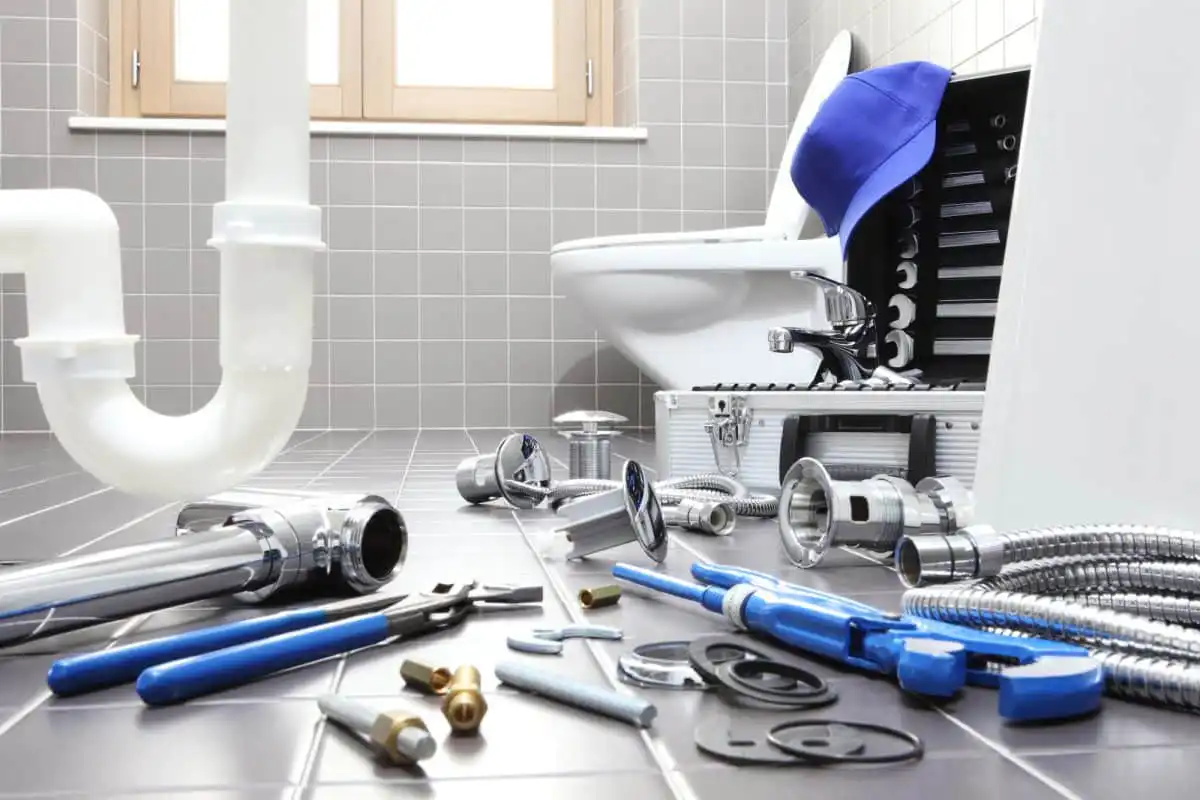
Pipe insulation in a San Diego home is one of those small infrastructure decisions that pays back many times over when the once-or-twice-a-year cold snap actually hits. East County hits below freezing several nights each winter, and even coastal areas see overnight lows in the high 30s during cold-snap weeks. A burst supply line on a 28°F morning floods walls and creates a five-figure restoration bill from a problem that $40 of foam insulation would have prevented.
Which Pipes Actually Need Insulation
Not every pipe in your house. Focus on the high-risk zones:
- Pipes in the garage — uninsulated, attached to the house, often the first to freeze
- Pipes in the attic — counterintuitively cold despite SoCal climate
- Pipes in crawl spaces — directly exposed to outside air through vents
- Pipes on exterior walls — coldest interior pipes in the house
- Hose bibs (outdoor faucets) — the #1 freeze-burst location
- Pool equipment plumbing — pumps, filters, heaters all have exposed plumbing
- Irrigation backflow preventers — above-ground brass that cracks in freeze
The Insulation Materials That Actually Work
- Foam tube insulation — slips over the pipe, sealed with adhesive strip. Standard for most residential. Comes in 1/2″ and 3/4″ interior diameter for common pipe sizes.
- Fiberglass pipe wrap — for irregular pipes or fittings. More work to install but conforms to anything.
- Heat tape with thermostat — electric tape that wraps around the pipe, automatically activates when pipe temp drops near freezing. Best for pipes that have frozen in past years.
- Foam hose bib covers — slip over outdoor faucets. Non-negotiable for every exposed outdoor faucet.
DIY Reality
Foam tube insulation is genuinely DIY-friendly. The tubes have a pre-cut slit; you cut to length with a utility knife, slip it over the pipe, press the adhesive strips together to seal. One person can insulate the exposed pipes in a typical garage in 30-45 minutes. Attic and crawl space pipes take more time due to access challenges.
The Heat Tape Decision
Heat tape with thermostat costs more upfront but it’s the right choice for pipes that have actually frozen in past winters. The thermostat ensures it only runs when needed, so operating cost is minimal. The US Department of Energy weatherization guidance includes heat tape among recommended cold-climate measures.
What to Do During an Actual Cold Snap
- Open cabinet doors under sinks on exterior walls (lets house heat reach pipes)
- Let interior faucets drip slowly overnight (moving water freezes more slowly)
- Keep garage doors closed
- Maintain interior temp at 60°F+ even at night
- Disconnect garden hoses (if not already)
The National Weather Service San Diego office publishes microclimate forecasts that show inland and elevated areas drop significantly below coastal lows during cold events.
If a Pipe Freezes Anyway
- Open the faucet served by the frozen pipe (gives water somewhere to go)
- Apply gentle heat with a hair dryer, heat lamp, or heating pad — never an open flame
- Start at the faucet end and work toward the frozen section
- If you can’t reach it, call a plumber before it bursts
Trusted Local Network
Pipe insulation is one piece of broader cold-weather home prep. For homeowners outside SoCal needing handyman work alongside insulation, general handyman services for cold-weather home prep handle that scope. And for restoration after a frozen pipe does burst and cause damage, nationwide emergency restoration services cover the cleanup side in affected regions.
Your San Diego Pipe Insulation Specialists
At Drain Masters Plumbing, we handle pipe insulation and broader plumbing scope across San Diego County — Chula Vista, La Mesa, El Cajon, Santee, Spring Valley, Lakeside, Lemon Grove, La Jolla, Del Mar, Carlsbad, Oceanside, Poway, and the surrounding communities. Contact us for an evaluation. Our water heater and pipe services cover the full San Diego region 24/7.